Stripe: A Fun Handwritten Font for Creative Branding
I was staring at a blank label template, trying to decide on the perfect typeface for my new line of artisanal soy candles. I wanted something that felt personal and approachable, not stiff or overly corporate. That’s when I pulled up Stripe. As soon as I typed out “Scented Candle,” the letters seemed to dance across the screen with an immediate sense of joy. It wasn’t just text; it was a vibe. This script has friendly little details and is easy to read, so you can use it in a wide array of creative projects, but more importantly, it gave my product design the lighthearted feel I had been searching for.
Why Stripe Brings Warmth to Product Labels and Packaging
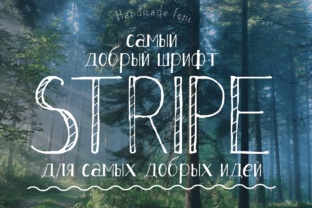
When you are creating physical goods like boutique tags, soap bars, or packaged treats, your typography is often the first thing a customer notices before they even touch the item. Stripe is a fun, handwritten font that will give your designs a lighthearted feel, which translates directly into how customers perceive your brand quality. Unlike rigid block letters that can feel industrial, this Script Handwritten style mimics the natural flow of ink on paper, adding a human touch that mass-produced items often lack.
In my own shop, I’ve found that using Stripe for product labels creates an instant connection. Whether I’m designing minimalist packaging for jewelry or colorful boxes for bath bombs, the font’s casual elegance makes the product feel curated and thoughtful. The visual personality of Stripe is distinct—it isn’t messy or illegible, nor is it perfectly geometric. It sits in that sweet spot of modern typography where creativity meets clarity. For handmade sellers, this balance is crucial because it suggests that care went into every detail of the design process.
Using Stripe for Wedding Invitations and Stationery Design
Wedding stationery is one of those areas where font choice dictates the entire mood of the event. I recently worked on a mockup for a rustic-chic wedding invitation suite, and I needed a font that could handle both the formal structure of the event details and the romantic flair of the couple’s names. Stripe proved to be an excellent choice for this dual purpose. Its friendly little details add character without overwhelming the layout, making it perfect for save-the-dates, RSVP cards, and welcome signs.
The readability of Stripe is a major asset here. While many decorative scripts become difficult to read at smaller sizes, Stripe maintains its legibility even when set to moderate point sizes. This means you can confidently use it for longer blocks of text, such as dinner menus or seating charts, while still keeping the aesthetic cohesive. When paired with a clean sans serif font for the body text, Stripe acts as a beautiful anchor, drawing the eye to key information while maintaining an elegant, editorial design feel. It works wonderfully for digital downloads too, allowing planners to create custom templates that look professional yet personal.
Creating Engaging Social Media Graphics and Listing Images
For Etsy sellers and online creators, your listing images are your storefront. You have seconds to grab attention in a crowded feed, and typography plays a huge role in stopping the scroll. I started using Stripe for my social media graphics and Pinterest pins, and the engagement shifted noticeably. Because Stripe is a fun, handwritten font that will give your designs a lighthearted feel, it cuts through the visual noise of highly polished, sterile stock photos.
I use it primarily for short phrases, quotes, and titles within my mockups. For example, when showcasing a printable wall art piece, I overlay the title text in Stripe to simulate how it might look framed in a home. The font’s casual nature makes the digital product feel accessible and ready to use. It also helps in creating cohesive brand identity across platforms. If your logo uses a similar handwritten style, using Stripe in your promotional graphics reinforces recognition. Just ensure you check the commercial font licensing before selling any digital assets or using these graphics for paid advertising, as proper licensing protects your business and respects the type designer’s work.
Best Practices for Cutting Machines and Small Format Printing
As a crafter who frequently uses Cricut and Silhouette machines, I know that not all fonts cut well, especially on small materials like vinyl stickers or delicate cardstock. One of the standout features of Stripe is that it is easy to read and maintain consistent stroke widths, which makes it surprisingly reliable for cutting. I’ve successfully used it for small sticker sheets, mugs, and shirts without encountering excessive weeding issues or broken lines.
However, precision matters. When designing for small formats, I recommend testing your files at actual size before committing to a full print run. Stripe shines brightest when used for names, short titles, or decorative wording rather than long paragraphs. For instance, using it on a tote bag design allows the letters to breathe, whereas squeezing a full sentence onto a tiny gift tag might compromise its charm. Always review the included styles, alternates, and ligatures in the font file to see if there are special characters that enhance your specific design. Some versions of this Script Handwritten typeface may include swashes or alternate glyphs that can add extra flair to initial letters, giving your handmade products a unique, high-end finish.
Pairing Stripe with Other Typefaces for Balanced Designs
No single font does everything, and part of mastering modern typography is knowing how to mix and match. Stripe pairs beautifully with simple serif fonts for a classic, literary look, or with bold display fonts to create contrast between heavy headlines and light body copy. I often pair it with a clean sans serif font for technical details like ingredients, care instructions, or copyright notices. This combination ensures that while the brand voice remains warm and inviting via Stripe, the necessary information remains clear and authoritative.
This versatility is why Stripe is considered a valuable addition to any designer’s toolkit. Whether you are creating seasonal craft designs for holidays, planning a boutique launch, or simply sprucing up your personal planner pages, the ability to switch between a playful handwritten font and a structured supporting typeface allows for dynamic layouts. By leveraging the strengths of Stripe alongside other Fonts, you can create a comprehensive brand identity that feels both professional and deeply personal, encouraging customers to trust in the quality of your handmade creations.